Higel Optimum
About Higel Optimum
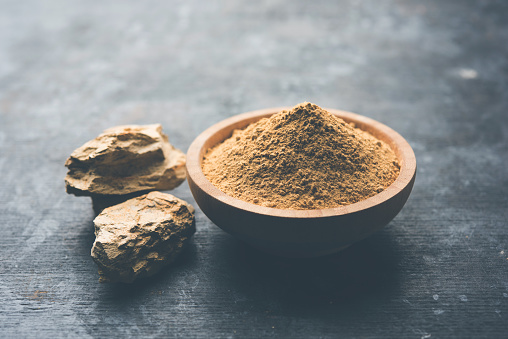
Higel Optimum Bentonite is a type of bentonite clay that is used in a variety of industrial and commercial applications. It is a high-quality, natural clay that has unique properties that make it ideal for a range of uses.
One of the key features of Higel Optimum Bentonite is its high swelling capacity. When mixed with water, the clay particles in Higel Optimum Bentonite rapidly expand and form a gel-like substance. This makes it useful in a range of applications, including as a sealant for ponds, landfills, and other environmental applications where water leakage must be prevented.
Higel Optimum Bentonite is also commonly used as a drilling mud in the oil and gas industry. The clay’s unique properties allow it to effectively control the viscosity and stability of drilling fluids, which helps to prevent wellbore instability and improve drilling efficiency.
Production
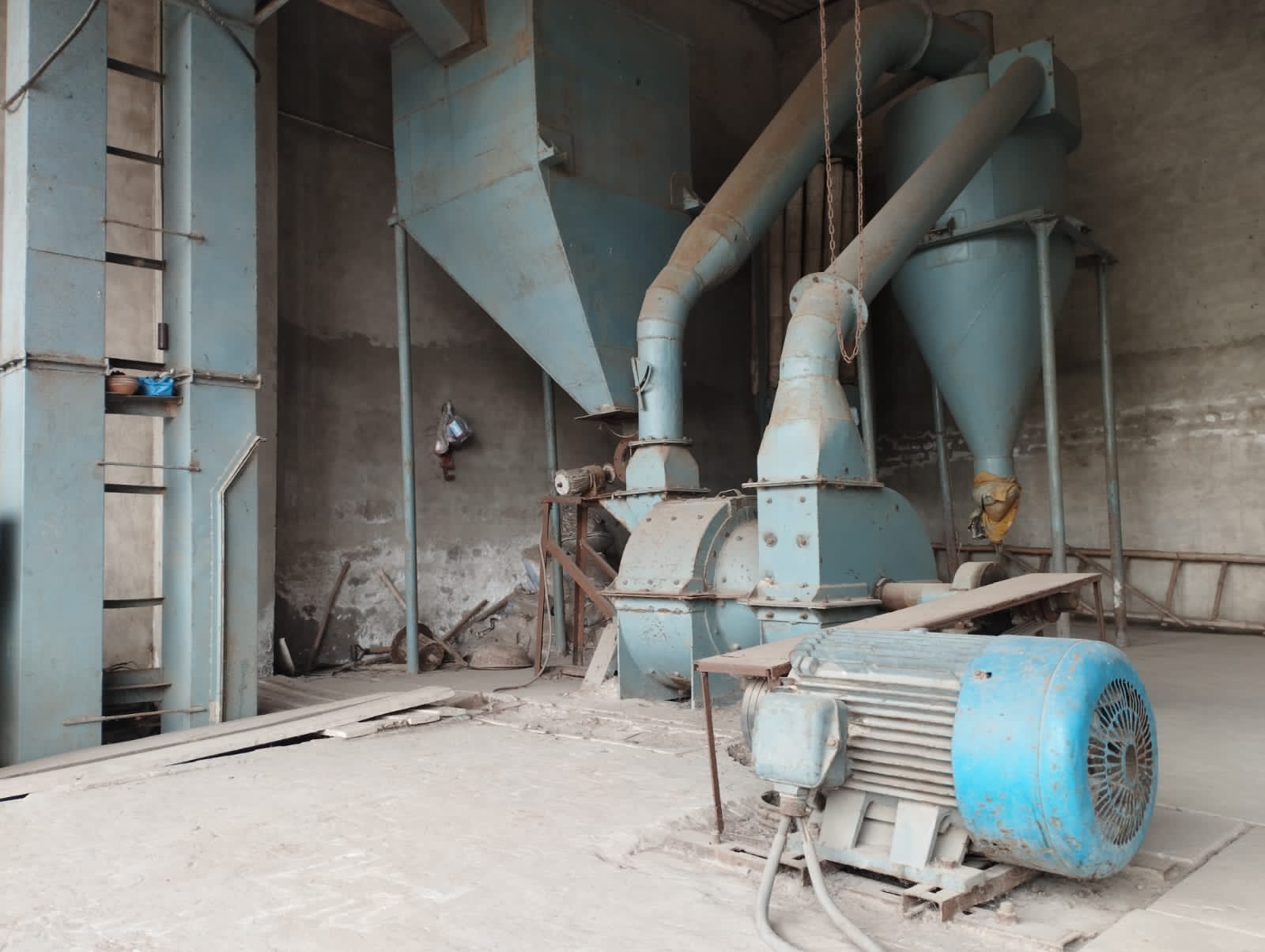
To make Higel Optimum Bentonite, we use specialized machinery to dry and crush the raw material, and then mix it with water and other additives to create a slurry. This slurry is passed through screens and other equipment to remove impurities and ensure a consistent product. Finally, the product is packaged and shipped to customers.
Our machinery allows us to closely monitor the production process and produce a high-quality product in a range of sizes and specifications to meet our customers’ needs.
We take great pride in our ability to produce high-quality Higel Optimum Bentonite using our own machinery. Our commitment to quality, consistency, and customer satisfaction is reflected in the superior performance of our product and the satisfaction of our customers. Whether you are in the oil and gas industry, environmental remediation, or the beauty industry, you can trust us to deliver a product that meets your needs and exceeds your expectations.
Uses
- Used as a drilling mud in the oil and gas industry to stabilize the wellbore, control drilling fluid viscosity, and prevent fluid loss into the formation.
- Used as a sealant for environmental applications, such as pond and landfill liners, to prevent water leakage and migration of contaminants.
- Has applications in various consumer products, including cosmetics and pharmaceuticals, due to its ability to absorb oils and impurities and act as a binder and disintegrating agent.
- Used in construction materials, such as grouts and mortars, to improve their flow and workability.
- Has applications in the paper industry as a binder and coating agent for paper products.
- Used in the production of iron ore pellets as a binding agent to improve their strength and durability.
- Can be used as a soil amendment to improve soil structure, water retention, and nutrient availability.